Neighbourhood Guide · West End
Roof Repair in West End: The Complete Homeowner Guide
The complete guide to roof repair in West End, Beaumont: the housing, the problems local roofs develop, how a repair call runs, and the neighbourhoods around West End.
The Neighbourhood
What is roofing like in West End?
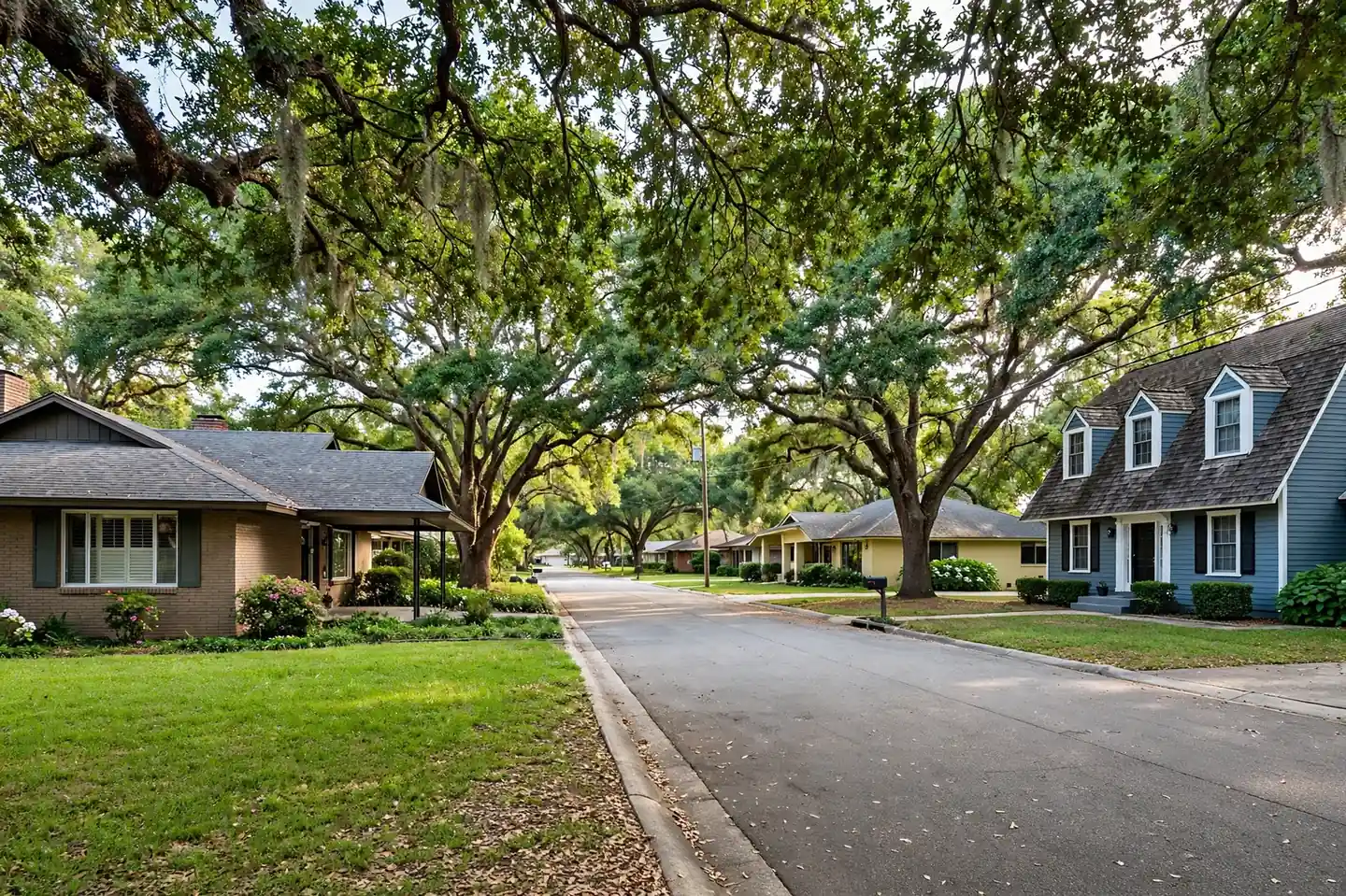
West End is one of Beaumont's most established residential areas, known for tree-lined streets, generous lots, and homes that reflect several decades of considered building. Many properties sit near Calder Avenue and the Dowlen Road corridor, where mature oaks and pines shape both the character of the neighbourhood and the daily life of its roofs. Shaded, settled, and largely residential, the area rewards homeowners who understand how canopy, age, and Gulf weather interact, and this guide starts with that local picture before moving into practical repair decisions. That is why this guide keeps its focus firmly on West End homes, local streets, and the repair choices that matter most here.
Roofs in West End commonly include architectural shingles alongside older composition roofs, with some metal and tile accents on larger or updated homes. Mid-century and later twentieth century houses often carry roof systems that have been layered, patched, or partly renewed over time, so a leak in one place may point to wider wear elsewhere. Ventilation, flashing around chimneys and valleys, and the condition of gutters all matter here, because shade slows drying after rain and fallen leaves can hold moisture against the surface for longer than owners expect. That is why this guide keeps its focus firmly on West End homes, local streets, and the repair choices that matter most here.
This guide covers how to read the signs of roof trouble in West End, from ceiling stains and lifted shingles to soft decking near eaves. It explains the repair options local contractors typically discuss, how storm damage is assessed, and what questions to ask before work begins. It also places West End alongside nearby areas such as Calder Place and Dowlen West, so you can understand how the same crews serve adjoining streets and why a clear, honest referral matters when you need a prompt, well matched introduction. That is why this guide keeps its focus firmly on West End homes, local streets, and the repair choices that matter most here.
Local Conditions
How do West End conditions wear on roofs?
West End was largely built out in the 1950s to 1980s, with newer infill and subdivisions from the 1990s onward. The West End mixes mid century ranch style homes and Cape Cod style homes with larger traditional houses and newer builds in pockets such as Barrington Heights. Most homes sit on moderately sized, landscaped lots with attached or detached garages. It is one of Beaumont's established residential areas west of downtown, close to shopping and dining along Dowlen Road. Roofs in West End are mostly architectural asphalt shingle, composition shingle, standing seam metal, metal panel.
Main streets include Calder Avenue, Dowlen Road, Phelan Boulevard. Local reference points include Parkdale Mall on Dowlen Road, Rogers Park. Mature shade trees and pine and hardwood planting are common on the older streets, with heavier canopy on the established blocks than in the newer subdivisions.
Repairs Here
Which repairs do West End homeowners call about?
Leak tracing and targeted shingle repair are central needs in West End, where mature trees drop branches and leaves and where older flashing can open up around chimneys, vents, and roof valleys. Contractors serving the area often focus on replacing damaged sections rather than pushing a full replacement, checking the decking beneath, and resealing joints that have moved with seasonal heat and heavy rain. Careful inspection after storms helps separate minor surface damage from hidden moisture that could affect ceilings, insulation, and interior finishes if left alone.
Gutter, fascia, and ventilation work also feature strongly, because shade and canopy can leave parts of a West End roof damp long after a downpour has passed. Clearing and repairing drainage, addressing timber at the eaves, and improving airflow in the attic can extend the useful life of an existing roof and reduce the repeat leaks that frustrate owners of older homes. Contractors familiar with these streets understand the housing mix, the tree cover, and the need to protect established gardens and driveways while repair work is underway overhead.
Nearby Neighbourhoods
How does West End connect to the rest of Beaumont?
At the heart of West End are quiet, tree-lined residential blocks running off Calder Avenue and toward Dowlen Road, where established homes sit behind mature planting and deep front gardens. This is the core that gives the neighbourhood its settled feel. Homeowners here share the same concerns about shade, and local contractors know these streets well, working house by house on leaks, flashing, and storm repairs that suit the older housing stock. Roof repair near West End for West End homeowners →
Calder Place sits close to West End along the Calder Avenue corridor, and the two areas feel like natural neighbours with similar established housing and mature trees. A homeowner near their shared edge will find the same contractors covering both, travelling only a short distance along Calder. Roof needs overlap too, with ageing shingles, and canopy related moisture, so advice and repair approaches that suit one area usually translate to the other. Roof repair near West End for Calder Place homeowners →
Dowlen West lies further along Dowlen Road from West End, where the housing becomes newer and the streets open out toward shopping and wider suburban development. The contrast is useful: West End brings older roofs and heavier canopy, while Dowlen West brings more recent construction and different materials. Contractors who cover the Dowlen corridor serve daily, helping owners compare repair needs honestly rather than assuming one approach fits every home along the road. Roof repair near West End for Dowlen West homeowners →
Amelia is another residential area in the west of Beaumont, reached from West End by heading further west through the city's western neighbourhoods and connecting roads. areas share a mid-century influence in much of their housing and a exposure to Gulf storms and heavy rain. Contractors covering the west side work in both, so a homeowner in West End will hear comparisons drawn from recent Amelia repair jobs, and the other way around. Roof repair near West End for Amelia homeowners →
South Park sits across the city from West End, near Lamar University and College Street, so the two neighbourhoods serve different parts of Beaumont life. Housing in South Park is generally older, with repair patterns shaped by smaller homes and long standing roofs. Contractors who work citywide cover both areas, and a West End homeowner with family or property near South Park can use the same referral route for either address. Roof repair near West End for South Park homeowners →
Old Town, contrasts with West End in age and architecture, with early homes and traditional detailing that demand careful repair choices. From West End, it is reached by travelling east toward the older core of the city. Contractors who understand historic roofing in Old Town work on established West End homes, where respecting original character matters too, though the materials, pitches, and detailing involved can differ noticeably between the two areas. Roof repair near West End for Old Town homeowners →
Pear Orchard is a residential area in north Beaumont, connected through the city's main north to south routes and Interstate 10. Its housing and street pattern feel distinct from the tree-lined west side, yet both areas face the same regional weather, including intense rain and storm winds. Contractors covering Beaumont as a whole serve Pear Orchard and West End on the same rounds, bringing comparable repair experience to both sets of homeowners. Roof repair near West End for Pear Orchard homeowners →
North End, including the historic Charlton-Pollard area, lies toward the north and older side of Beaumont, away from West End's Calder Avenue and Dowlen Road setting. The housing there carries a different history, with older homes and a strong sense of heritage. A West End homeowner looking north will find some overlap in contractor coverage, for careful leak work and traditional materials, though the neighbourhoods themselves have distinct characters and street layouts. Roof repair near West End for North End homeowners →
Calder Highlands is an established mid-century area that shares the wider Calder corridor story with West End, though the two neighbourhoods sit as separate pockets within Beaumont. Similar housing ages mean similar roof questions, from worn shingles to tired flashing and ventilation that needs attention. Contractors travelling Calder Avenue and its connecting streets cover both, and homeowners benefit from crews who understand this part of the city well. Roof repair near West End for Calder Highlands homeowners →
The Avenues is a historic area near downtown, known for its lettered avenues, and it offers a different setting from West End's western, tree-lined blocks. Travelling between them means crossing from the older downtown side toward Calder and Dowlen. Contractors who serve central Beaumont work in West End, and they can explain how repair priorities change between the tighter, historic streets of The Avenues and the larger, shaded lots found further west. Roof repair near West End for The Avenues homeowners →
Roof repair near West End, area by area
Costs Here
What does roof repair cost in West End?
Repair prices in West End follow the damage, the material and how easy the roof is to reach. The neighbourhood cost page works through the typical ranges for West End homes, from small fixes like a pipe boot to larger storm repairs, and the contractor confirms the exact figure after inspection.
FAQ
Roof repair in West End: questions
Mature trees, settled housing, and heavy rain put extra pressure on the joints where roof planes meet. Flashing around chimneys and in valleys can loosen or corrode over time, letting water find a path inside during prolonged downpours.
A contractor will usually inspect those junctions first, along with the surrounding shingles and underlayment. Repair often means renewing flashing, resealing correctly, and replacing any damaged covering nearby, rather than simply coating the visible leak spot from inside.
Shade itself is not the whole problem, but leaves and branches that rest on a roof can hold moisture and block drainage. Over time that can encourage surface wear, lift shingles, and leave gutters overflowing toward the fascia and eaves.
Regular clearing, careful branch management, and prompt attention to gutters help a lot. During a repair visit, ask the contractor to check shaded slopes closely, because damage there is often more advanced than it looks from the ground.
Many older roofs still have sound structure and large areas of serviceable covering, so a focused repair can be the sensible choice. The answer depends on the spread of wear, the condition of the decking, and whether leaks are isolated or recurring across several slopes.
Ask for a clear explanation of what was found, slope by slope, and what a repair would and would not address. An honest contractor will set out both paths in plain terms so you can decide without pressure.
Start by checking safely from the ground and from inside for stains, drips, or debris, and take dated photographs if you can. Avoid climbing onto a wet or damaged roof yourself, as shingles and decking can be unstable after severe weather.
Then seek a prompt inspection through a referral to a local contractor. Early attention can limit interior damage, and a written record of the findings helps you plan repairs, speak with insurers, and prioritise the most urgent work first.
Talk to someone about your roof today
Describe the problem on one call and get connected with a local Beaumont roofing contractor.